Source vitamin d capsules for weight loss, immunity, and bone health
Find 30 listings for vitamin d capsules suitable for adults seeking weight management or immune support. Compare specifications like capsule size, dosage, and packaging options from verified manufacturers in China.
Key considerations
Products List




Comprehensive Sourcing Guide
Vitamin D Capsules Sourcing Guide
Sourcing vitamin D capsules requires a clear distinction between finished dietary supplements and the pharmaceutical machinery used to manufacture them, as the supply chain often blends these categories. The available market data indicates a diverse range of offerings, from finished products in bottle and box packaging to high-speed capsule filling machinery capable of producing 10,000 to 25,000 units per hour. Buyers must first determine whether their immediate need is for a finished, ready-to-market product or for the equipment to establish their own production line, as the verification criteria for each differ significantly.
The observed product landscape includes finished capsules with specific attributes such as low-fat and sugar-free formulations, often packaged in cartons or drums with a shelf life of 24 months. Conversely, the machinery segment features computerized systems with high precision, designed to handle various capsule sizes from 000# to 4#, and operates with a delivery time of approximately 15 days from origins like Guangzhou or Ruian. Understanding this duality is essential for defining the scope of the procurement, ensuring that the buyer does not confuse the specifications of a filling machine with the quality standards of the final dietary supplement.
Product Scope and Observed Listing Signals
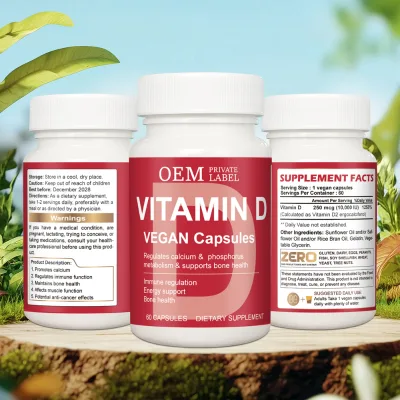
When evaluating finished vitamin D capsules, buyers should look for specific product attributes that align with their target demographic and regulatory requirements. The market data shows listings for products targeting adults, including both men and women, with clear exclusions for pregnant women, children, and newborns. These finished goods typically come in bottle packaging with a standard of 60 capsules per bottle, often featuring customization options for logo printing and packaging design to suit private label needs.
For those sourcing manufacturing equipment, the scope shifts to technical capabilities such as mold change times of five minutes and voltage requirements of 220V. The machinery listings indicate a focus on high-speed production with a condition of "New" and a warranty period of one year, often originating from industrial hubs in China. Buyers must carefully parse the listing signals to ensure they are comparing apples to apples, verifying whether a supplier is offering a finished dosage form or the pharmaceutical packaging machinery required to create it.
Technical Specifications to Verify
Verification of the finished product begins with confirming the dosage form and physical specifications, such as the standard of 0.5g per capsule and the specific capsule size required for the formulation. The data highlights that products are available in various sizes, and the finished dosage form is consistently identified as a capsule, which must be stored in a cool, dry place to maintain moisture-proof integrity. Buyers should request batch-specific data to confirm that the actual weight and capsule dimensions match the advertised standards, as variations can impact the efficacy and stability of the vitamin D content.
In the context of manufacturing equipment, technical verification focuses on the precision and operational speed of the machinery. The observed specifications include high-precision systems capable of handling powder or pellet materials, with a production speed ranging from 10,000 to 25,000 units per hour. It is critical to verify the physical dimensions of the equipment, such as the 11407001630MM footprint, and ensure the voltage and computerized control systems are compatible with the buyer's facility infrastructure before finalizing any purchase.
Compliance and Safety Documentation
Compliance for finished vitamin D supplements is anchored in a robust set of certifications, with the market data frequently citing QS, HACCP, GMP, and ISO standards. These certifications are critical indicators that the manufacturing facility adheres to strict hygiene and quality management protocols, ensuring the product is safe for consumption by the intended adult population. Buyers must request valid, up-to-date copies of these certificates and verify that they cover the specific manufacturing site and product line being sourced, rather than accepting generic corporate certifications that may not apply to the specific batch.
For the machinery sector, compliance documentation centers on safety and operational standards, with CE, GMP, and ISO certifications appearing as key markers. The equipment listings also emphasize a "New" condition and a one-year warranty, which serve as assurances of the machine's reliability and the supplier's commitment to after-sales support. Procurement teams should ensure that the safety documentation includes detailed manuals for operation and maintenance, as well as proof of compliance with local electrical and mechanical safety standards in the destination country.
Cost Drivers and Commercial Terms
The cost structure for vitamin D capsules is influenced by the complexity of customization, the scale of the order, and the specific packaging requirements. The observed Minimum Order Quantity (MOQ) ranges widely, from as low as 100 bottles for finished goods to much higher volumes for machinery or bulk raw materials, with some listings indicating MOQs up to 600,000 units. Buyers should anticipate that custom logo printing, specific packaging formats like wooden cases or cartons, and tailored capsule sizes will add to the base unit cost, necessitating a clear negotiation on volume tiers.
Commercial terms for machinery and finished goods also vary significantly regarding lead times and delivery conditions. The data indicates a standard delivery time of 15 days for certain equipment, while finished products may have different shipping timelines based on stock availability and packaging preparation. Buyers must clarify whether the quoted price includes the cost of the wooden package case or other specialized shipping containers, and confirm the payment terms that align with the observed MOQ ranges to avoid cash flow disruptions during the procurement cycle.
Supplier Qualification and Quality Control
Supplier qualification for vitamin D capsules requires a deep dive into the manufacturing environment and the specific certifications held by the facility. The presence of GMP and HACCP certifications suggests a controlled environment, but buyers should verify the scope of these certifications to ensure they cover the specific production of vitamin D supplements. Additionally, the origin of the product, whether from Guangzhou or Ruian, should be cross-referenced with the supplier's track record in exporting similar health products to ensure they have the logistical experience to handle international shipments effectively.
Quality control processes must be validated through on-site audits or third-party inspection reports, particularly for the machinery segment where precision is paramount. The observed specifications for high-speed machines with 10,000 to 25,000 units per hour output require rigorous testing to ensure consistent performance and minimal downtime. Buyers should request sample runs or video evidence of the machinery in operation to verify the mold change time and the precision of the filling process, ensuring that the equipment meets the required production standards before committing to a large order.
Long-Term Procurement Checks
Establishing a long-term partnership for vitamin D capsules involves monitoring the consistency of product quality and the reliability of the supply chain over time. Buyers should implement a schedule for periodic re-verification of certifications, ensuring that GMP, ISO, and other standards remain current and valid for the specific products being supplied. This proactive approach helps mitigate the risk of regulatory non-compliance and ensures that the finished dosage form continues to meet the safety and efficacy standards required by the target market.
For machinery procurement, long-term checks focus on the durability of the equipment and the availability of spare parts and technical support. The one-year warranty period is a starting point, but buyers should negotiate extended service agreements and ensure that the supplier has a reliable supply chain for critical components like molds and control systems. Regular maintenance schedules and performance reviews should be established to track the machine's output speed and precision, ensuring that the investment continues to deliver value throughout its operational lifespan.
FAQs
What certifications do vitamin d capsule suppliers typically hold?
Suppliers typically hold QS, HACCP, GMP, and ISO certifications to ensure quality and safety. Some manufacturers also provide CE certification for their packaging machinery. These credentials verify that production processes meet international standards for pharmaceutical and food-grade supplements, ensuring compliance for global buyers.
Can I customize the logo on vitamin d capsule bottles?
Yes, logo printing is available for most vitamin d capsule orders. Buyers can choose between with or without logo printing depending on their branding needs. Customization options allow for private labeling, which is essential for businesses looking to establish their own brand identity in the health supplement market.
What is the standard packaging for vitamin d capsules?
The standard packaging usually consists of 60 capsules per bottle, with multiple bottles packed into cartons or boxes. Some suppliers offer wooden package cases for larger shipments. This packaging ensures moisture-proof storage and protects the product during transit, maintaining the integrity of the capsules until they reach the end consumer.
What is the typical lead time for vitamin d capsule orders?
The typical delivery time is around 15 days for standard orders. This timeline allows for production, quality control, and packaging processes to be completed efficiently. Buyers should consider this lead time when planning inventory, especially for large MOQ orders that may require additional scheduling coordination with the manufacturer.
Are vitamin d capsules suitable for all age groups?
These capsules are primarily designed for adults, including men and women. They are not applicable for pregnant women, children, or newborns due to specific health considerations. Buyers should ensure their target audience aligns with these demographic restrictions to comply with safety guidelines and regulatory requirements for dietary supplements.
What specifications are available for vitamin d capsule sizes?
Available capsule sizes include 000#, 00L#, 00#, 0#, 1#, 2#, 3#, and 4#. These sizes allow for varying fill weights and dosages to meet specific product requirements. Manufacturers can accommodate different material types, such as powder or pellets, to create the desired finished dosage form for each capsule size.